
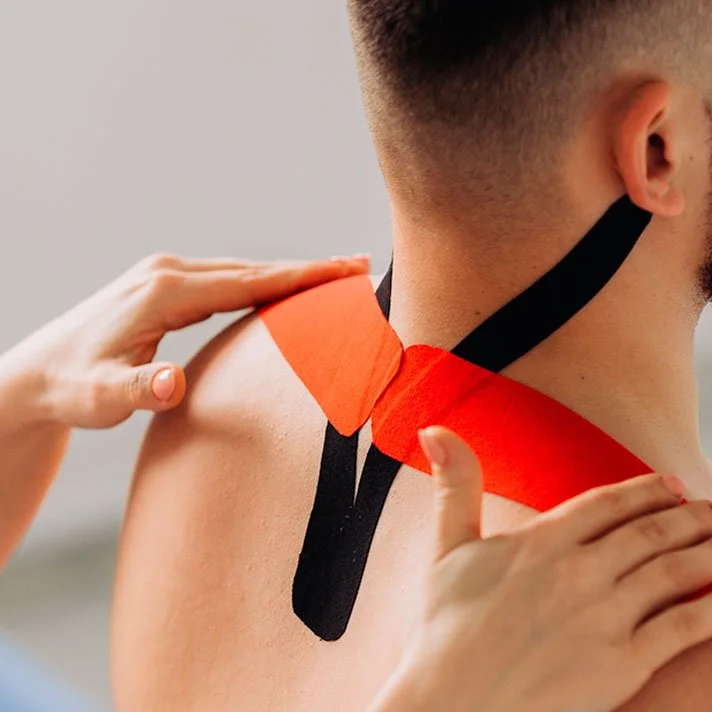
Musculoskeletal Physiotherapy
Helping you move with confidence again
Physiotherapy is about more than treating pain. It’s about understanding why your body is behaving the way it is, restoring confidence in movement, and helping you get back to the activities that matter most to you.
Whether you’re recovering from an injury, living with persistent pain, returning to exercise after pregnancy, or simply finding that everyday movements don’t feel as comfortable as they once did, my goal is to help you move better, feel stronger, and regain confidence in your body.
I believe that every person is unique. Rather than focusing only on the painful area, I look at how your whole body moves to understand the factors contributing to your symptoms and create a treatment plan tailored specifically to you.
-
Musculoskeletal physiotherapy can help with a wide range of conditions, including:
Neck pain
Back pain
Shoulder pain
Hip pain
Knee pain
Sports injuries
Running injuries
Tendon pain
Muscle and ligament injuries
Joint pain and arthritis
Work-related aches and pains
Rehabilitation after surgery or fractures
Persistent or recurrent pain
Injury prevention and improving physical performance
Whether your symptoms started after a specific injury or have gradually developed over time, physiotherapy can help you understand what’s happening and support your recovery.
-
Your first appointment is a comprehensive assessment designed to understand not only your symptoms, but you as a whole.
We’ll talk about:
Your current symptoms
Your medical history
Your lifestyle and daily routine
Your activity levels and favourite forms of exercise or sport
How you train and what your typical week looks like
Your previous injuries
Your goals and what you’d like to return to
I’ll then carry out a detailed physical assessment, looking at your movement, strength, mobility, flexibility, balance, and any other factors that may be contributing to your symptoms.
Together, we’ll discuss the findings, explain what may be driving your pain or movement difficulties, and develop a personalised rehabilitation plan that fits your goals, lifestyle, and the activities that matter most to you.
My aim is for you to leave your first appointment with a clear understanding of what’s happening, why it’s happening, and the steps we’ll take together to help you recover.
-
Every treatment plan is individual, but it is built around five key principles.
Education
Knowledge is power. The more you understand your body, the more confident you’ll feel making decisions about your recovery. Rather than simply telling you what exercises to do, I’ll help you understand why you’re doing them and how they support your long-term goals. My aim is for you to leave every session feeling informed, empowered, and confident in your body’s ability to recover.
Movement Assessment
Pain is rarely just about one joint or one muscle. I assess how your whole body moves to identify the movement patterns, strength deficits and mobility restrictions that may be contributing to your symptoms.
Hands-on Treatment
Hands-on treatment is much more than massage. When appropriate, I use manual therapy techniques to help reduce pain, improve movement, ease muscle tension, and create the best possible conditions for rehabilitation.
Exercise Rehabilitation
Exercise forms the foundation of long-term recovery. Together we’ll build strength, improve mobility, restore confidence and gradually return you to the activities you enjoy.
Long-term Recovery
My goal isn’t simply to reduce pain. It’s to help you develop the knowledge, confidence and physical capacity to keep moving well long after treatment has finished.
-
My approach combines evidence-based physiotherapy with a deep understanding of movement.
Alongside my physiotherapy training, I’m qualified in Clinical Pilates and have over 16 years of yoga practice and nearly a decade of teaching experience. These disciplines have shaped the way I assess movement and design rehabilitation programmes that are both effective and sustainable.
I enjoy helping people understand their bodies, reduce fear around movement, and build confidence through rehabilitation that feels achievable and meaningful.
Whether your goal is returning to sport, lifting your child comfortably, completing your first 5K, improving your yoga practice, or simply moving through everyday life without pain, we’ll work together to help you get there.
Ready to get started?
If pain or injury is stopping you from doing the things you love—or if you’d simply like to move with greater confidence—I would be delighted to help.
Book an appointment and let’s start your journey towards moving with more freedom, strength and confidence.
Choose the clinic that’s most convenient for you.
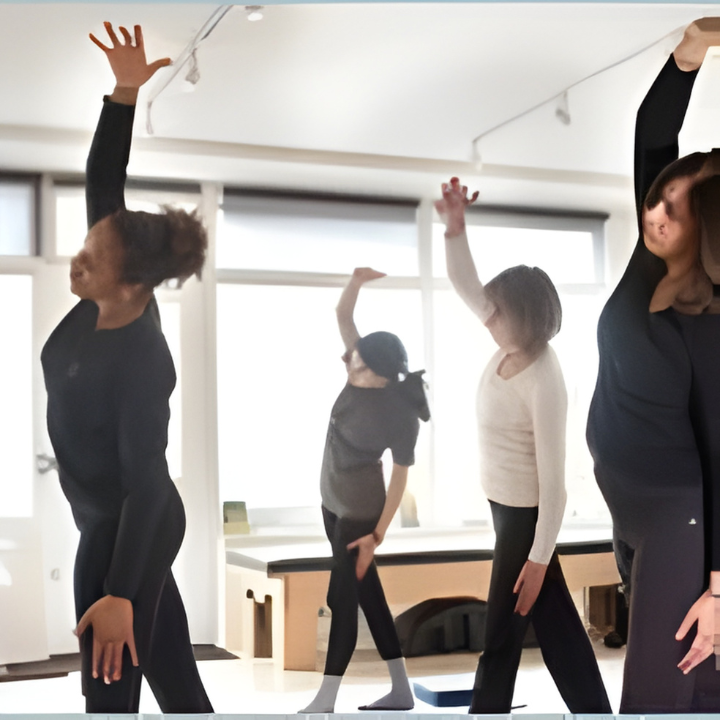
Body Alliance – Brixton
Book in South London
Want to learn more?
Understanding your body is often the first step towards recovery. If you’d like to explore topics such as pain, injuries, rehabilitation, movement, and returning to the activities you love, I’ve written a series of articles designed to help you better understand your body and move with confidence.
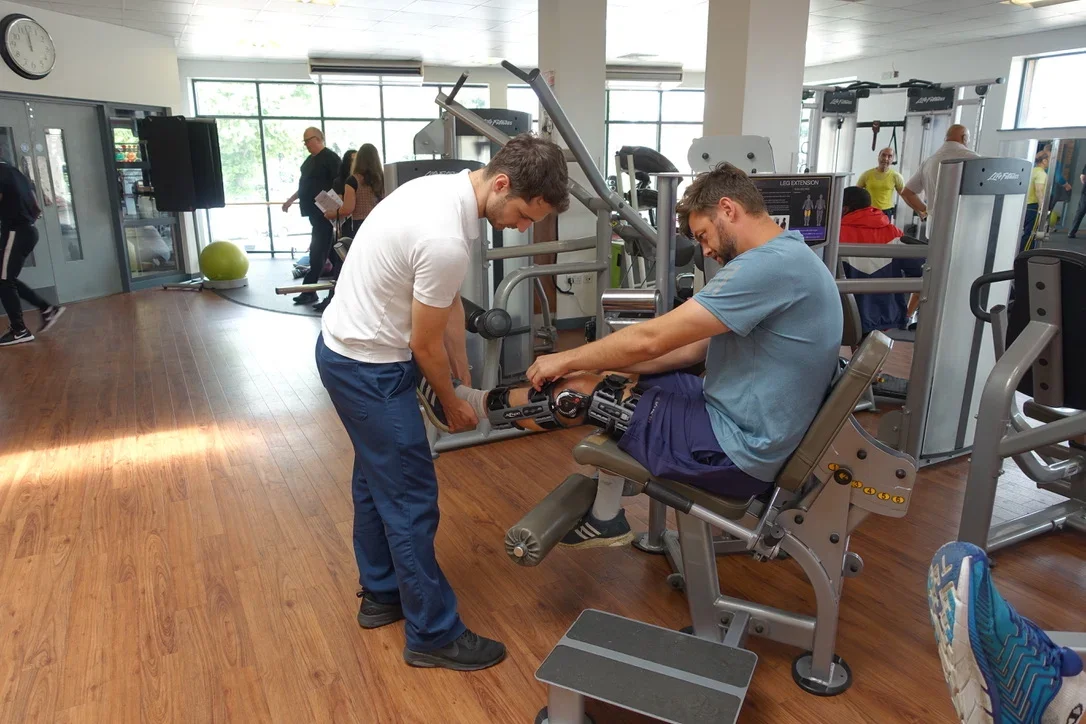
TA Physio – Crouch End
Book in North London
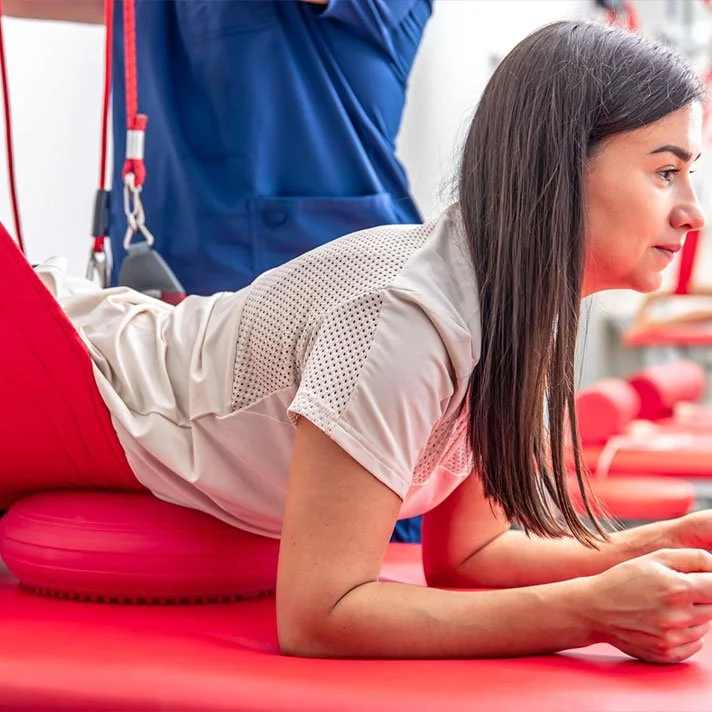
Women’s Health Physiotherapy
Supporting women through every stage of life
Women’s health concerns are common, but they are not something you simply have to live with.
Whether you’re experiencing bladder or bowel symptoms, pelvic pain, painful intercourse, pelvic organ prolapse, pregnancy-related discomfort, postnatal concerns, recovering after gynaecological surgery, or navigating changes associated with menopause, my aim is to provide evidence-based care in a supportive, compassionate, and welcoming environment.
Every woman’s experience is different, which is why every assessment and treatment plan is tailored to your individual needs, lifestyle, and goals. Together, we’ll work to help you better understand your body, and support you in achieving the things that matter most to you.
-
Bladder and bowel
Urinary leakage (stress incontinence)
Urinary urgency and frequency
Overactive bladder
Constipation
Pelvic health
Pelvic pain
Pain during intercourse
Pelvic organ prolapse
Pelvic floor dysfunction
Pregnancy and postnatal
Pregnancy-related back and pelvic girdle pain
Diastasis recti
C-section recovery
Postnatal recovery
Return to exercise
Gynaecological and abdominal surgery
Recovery following gynaecological and abdominal surgery (including hysterectomy, fibroid surgery, endometriosis surgery and C-section)
Scar-related discomfort following abdominal surgery
Returning safely to exercise after surgery
Menopause
Pelvic floor symptoms
Exercise guidance during and after menopause
Maintaining strength, mobility and confidence
-
Your first appointment is a comprehensive assessment designed to understand your symptoms, your lifestyle, and your goals.
We’ll talk about:
Your current symptoms
Your medical history
Your lifestyle and daily routine
Your activity levels and favourite forms of exercise
Your bladder and bowel health (where relevant)
Your gynaecological, pregnancy and birth history (where relevant)
Any previous treatments
Your goals and what you’d like to achieve
I’ll then carry out a detailed movement assessment, looking at your posture, breathing, strength, mobility, and movement patterns to understand the factors contributing to your symptoms.
If appropriate (and always with your informed consent) we may also perform an internal pelvic floor assessment. Everything will be explained beforehand, and you are always in control throughout the assessment.
My aim is for you to leave your first appointment with a clear understanding of what’s happening, why it’s happening, and the steps we’ll take together to help you feel stronger and more confident.
-
Every treatment plan is individual, but it is built around five key principles.
Education
Knowledge is power. The more you understand your body, the more confident you’ll feel making decisions about your recovery. Rather than simply telling you what exercises to do, I’ll help you understand why you’re doing them and how they support your long-term goals.
Breathing and Pressure Management
Your diaphragm, abdominal muscles, and pelvic floor work together as a team. Learning how to coordinate them can improve the way you move, support your pelvic floor, and make everyday activities feel more comfortable and efficient.
Movement AssessmentYour symptoms are rarely caused by one structure alone. I assess how your whole body moves to understand the movement patterns, strength deficits, and mobility restrictions that may be contributing to your symptoms.
Hands-on Treatment
When appropriate, I use a range of manual therapy techniques (including soft tissue therapy, joint mobilisation and, in selected cases, visceral techniques), to help ease pain, improve movement, reduce muscle tension, and create the best possible conditions for rehabilitation. While hands-on treatment can provide valuable short-term relief, it works best when combined with education and exercise as part of a personalised treatment plan.
Exercise RehabilitationExercise is the foundation of long-term recovery. Whether your goal is returning to running, lifting your baby comfortably, recovering after surgery, managing prolapse symptoms, improving pelvic floor function, or feeling stronger through menopause, your rehabilitation programme will be tailored to your goals, lifestyle, and current abilities.
-
Whether you’ve had a hysterectomy, fibroid removal, endometriosis surgery, or a Caesarean section, recovery doesn’t end when the incision has healed.
Physiotherapy can support your recovery by helping you regain confidence in movement, restore breathing and abdominal wall function, progressively rebuild core strength, manage scar-related discomfort where appropriate, and safely return to everyday activities, exercise, and sport.
Every rehabilitation programme is tailored to your surgery, your symptoms, and your personal goals, helping you return to the activities that matter most to you.
-
As a Chartered Physiotherapist, Women’s Health Physiotherapist, Mummy MOT Practitioner, and Clinical Pilates instructor, I combine evidence-based physiotherapy with a deep understanding of movement.
My approach goes beyond treating symptoms. I believe in helping women understand their bodies, regain confidence, and feel empowered to move through every stage of life.
Whether you’re preparing for birth, recovering after having a baby or surgery, managing pelvic floor symptoms, navigating menopause, or simply looking to feel stronger and more confident, we’ll work together to create a personalised plan that supports your goals.
Ready to get started?
If you’re experiencing symptoms that are affecting your quality of life, or you’d simply like to better understand your body and move with greater confidence, I would be delighted to help.
Book an appointment and let’s work together towards feeling stronger, more comfortable, and more confident in your body.
Choose the clinic that’s most convenient for you.
Body Alliance – Brixton
Book in South London
TA Physio – Crouch End
Book in North London
Want to learn more?
Women’s health is about much more than pregnancy and the pelvic floor. If you’d like to learn more about bladder health, pelvic pain, prolapse, menopause, exercise, and the many changes women experience throughout life, explore my Journal for evidence-based articles written to help you better understand your body.
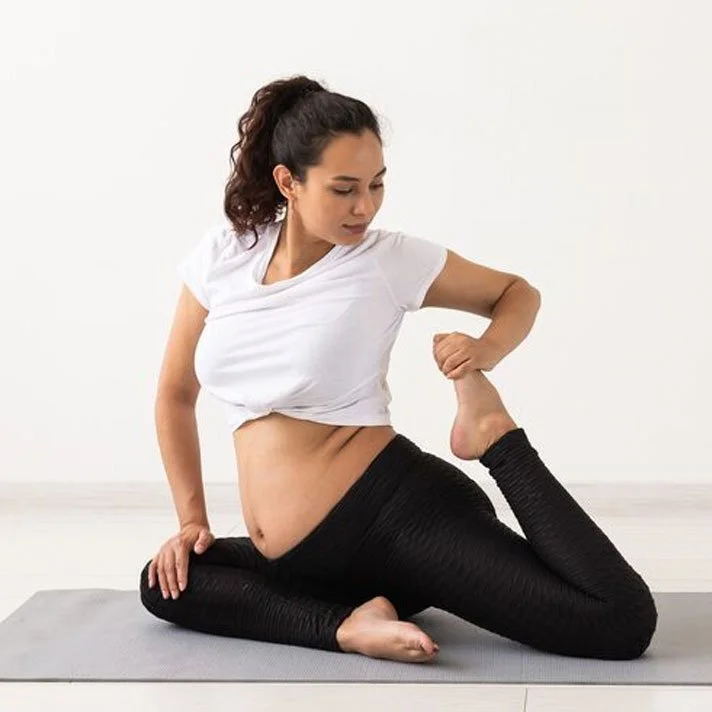
Mummy MOT®
This appointment is about you.
After having a baby, it’s easy to put yourself at the bottom of the list. For the past few weeks, your focus has probably been on your baby: the Red Book, health visitor appointments, the six-week GP check, breastfeeding support, and everything else that comes with making sure your little one is healthy and thriving. Meanwhile, your own recovery often takes a back seat.
A Mummy MOT® is an opportunity to focus on your recovery, your body, your concerns, and your goals.
Whether you’ve had a vaginal birth or a C-section, are experiencing symptoms or simply want reassurance that your body is recovering well, this comprehensive postnatal assessment is designed to help you understand how your body is healing and support your return to everyday life, exercise, and the activities you enjoy.
You don’t need to be in pain to benefit from a Mummy MOT®. Many women choose to have an assessment simply to better understand their recovery, ask questions, and feel confident that they’re rebuilding strength in a safe and effective way.
For the next 75 minutes, the focus is on you.
-
A Mummy MOT® is suitable for any woman following childbirth, whether you’ve recently had your baby or you’re months (or even years) postpartum.
You may benefit if you:
Experience bladder leakage or urgency
Have pelvic, back, or abdominal pain
Notice abdominal separation (diastasis recti)
Feel weak through your core
Have concerns about your pelvic floor
Want to return to running, the gym, yoga, Pilates, or another form of exercise
Are unsure how to exercise safely after having a baby
Simply want reassurance that your body is recovering well
-
Your first appointment is a comprehensive assessment designed to understand your recovery, your lifestyle, and your goals.
We’ll talk about:
Your pregnancy and birth experience
Your medical history
Your current symptoms (if any)
Your bladder and bowel health
Your daily activities and lifestyle
Your activity levels and favourite forms of exercise
Your goals and what you’d like to return to
I’ll then carry out a detailed movement assessment, looking at your posture, breathing, strength, mobility, abdominal wall function, and movement patterns.
With your informed consent, we’ll also assess:
Your abdominal wall, including diastasis recti
Your pelvic floor through an internal assessment, where appropriate
Everything will be explained beforehand, and you are always in control throughout the assessment.
My aim is for you to leave your first appointment with a clear understanding of how your body is recovering, why you may be experiencing certain symptoms, and the steps we’ll take together to help you feel stronger and more confident.
-
Every postnatal journey is different, which is why every rehabilitation programme is tailored to your individual needs.
Education
I’ll help you understand the changes your body has gone through and teach you simple strategies to help you move more efficiently in everyday life. Your diaphragm, abdominal wall, and pelvic floor work together as a team. Learning how to coordinate them can improve the way you move, reduce unnecessary strain, support your recovery, and make everyday tasks (like lifting, carrying, and caring for your baby) feel more comfortable. My aim is for you to leave every session feeling informed, empowered, and confident in your body’s ability to recover.
Movement Assessment
I’ll assess how your whole body moves, not just your abdominal wall or pelvic floor, to understand the factors influencing your recovery.
Hands-on Treatment
When appropriate, I may use hands-on treatment to help improve comfort, restore movement, and support your recovery. It is always tailored to your individual needs and combined with education and exercise.
Exercise Rehabilitation
Recovery doesn’t stop once the incision has healed or your six-week GP check has passed. Together, we’ll progressively rebuild strength, restore abdominal wall function, improve confidence in movement, and help you return safely to the activities you enjoy.
-
As a Chartered Physiotherapist, Mummy MOT® Practitioner, Clinical Pilates instructor, and as a mother myself, I understand that recovery after having a baby is about much more than healing tissues.
It’s about rebuilding confidence in your body while balancing the demands of everyday life with a new baby.
My approach combines evidence-based physiotherapy with movement-focused rehabilitation to help you feel informed, supported, and empowered throughout your recovery.
Ready to get started?
Whether you’re six weeks, six months, or several years after having your baby, it’s never too early (or too late) to invest in your recovery.
Book your Mummy MOT® and let’s work together to help you feel stronger, more confident, and ready to return to the activities you love.
Choose the clinic that’s most convenient for you.
Body Alliance – Brixton
Book in South London
Want to learn more?
Recovery after having a baby doesn’t end at your six-week GP check. If you’d like to learn more about postnatal recovery, returning to exercise, pelvic floor health, Caesarean section recovery, abdominal separation, and rebuilding confidence after birth, explore my Journal for practical, evidence-based advice.
TA Physio – Crouch End
Book in North London
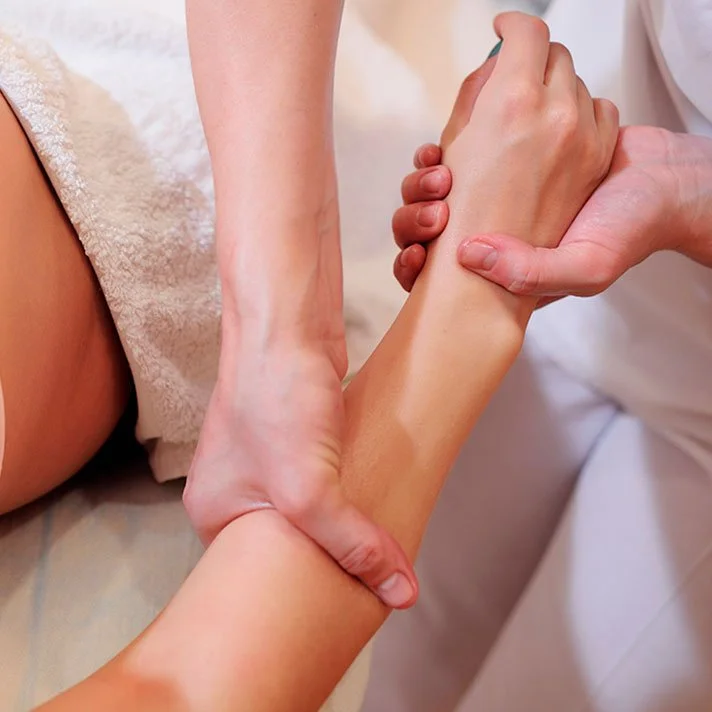
Chronic Pain Rehabilitation
Understanding pain. Restoring confidence. Rediscovering movement.
Living with persistent pain can be frustrating, confusing, and exhausting. Perhaps you’ve tried different treatments, had scans that didn’t explain your symptoms, or been told that you’ll simply have to learn to live with it.
Persistent pain doesn’t always mean ongoing damage. Pain is a complex and highly protective response, influenced by many different factors and not just what’s happening in our tissues.
Chronic pain rehabilitation is about helping you better understand your pain, regain confidence in your body, and rediscover movement without fear. For some people, this means becoming pain-free. For others, it means learning how to move more comfortably, return to meaningful activities, and live well despite ongoing symptoms.
Together, we’ll explore your experience of pain, what may be influencing it, and develop a personalised rehabilitation plan that supports your goals and helps you move towards the life you want to live.
-
Persistent back or neck pain
Fibromyalgia
Hypermobility and persistent pain
Persistent pelvic pain
Pain that has continued after surgery or injury
Persistent musculoskeletal pain
Recurrent injuries
Fear of movement
Reduced confidence in your body and movement
-
Your first appointment is a comprehensive assessment designed to understand not only your pain, but how it has affected your life.
We’ll begin by having an open conversation about your story.
We’ll explore:
When your symptoms began and how they’ve changed over time
How pain affects your daily life, work, relationships, and the activities that are important to you
What you believe pain is and why you think you’re experiencing it
What pain has stopped you from doing—or what you’re worried about returning to
Your previous injuries, treatments, or surgery
Your medical history
Your lifestyle, activity levels, and favourite forms of exercise
Your sleep, stress, and recovery
Your goals and what you’d like to achieve
I’ll then carry out a detailed movement assessment, looking at your posture, breathing, strength, mobility, balance, and movement patterns to better understand how your body is moving today.
My aim is for you to leave your first appointment feeling heard, with a clearer understanding of your pain and a personalised rehabilitation plan that supports your goals and helps you move forward with confidence.
-
Every rehabilitation programme is individual because no two people experience persistent pain in the same way.
Education
Knowledge is power. Understanding pain can be one of the most powerful tools in moving forward. I’ll help you understand what pain is, the many factors that can influence it, and why movement is often an important part of rehabilitation. Rather than simply giving you exercises, I’ll help you understand why you’re doing them and how they support your long-term goals. My aim is for you to leave every session feeling informed, empowered, and more confident in your body’s ability to adapt.
Movement Assessment
Persistent pain is rarely explained by one structure alone. I assess how your whole body moves to identify movement patterns, strength deficits, mobility restrictions, breathing strategies, and movement habits that may be contributing to your symptoms or limiting your confidence.
Hands-on Treatment
When appropriate, I may use hands-on treatment to help ease pain, improve movement, and make it more comfortable to begin rehabilitation. It is always tailored to your individual needs and used alongside education and exercise as part of a personalised treatment plan.
Exercise Rehabilitation
Movement is one of the most effective tools we have for building confidence and resilience. Together, we’ll gradually increase your strength, mobility, and physical capacity at a pace that feels achievable, helping you return to the activities that matter most to you.
-
Pain can change the way we move, think, and feel about our bodies. It’s common to lose confidence, avoid activities, or worry that movement might make things worse.
Recovery isn’t about finding the perfect exercise or pushing through pain. It’s about understanding your body, rebuilding confidence, and gradually rediscovering movement in a way that feels safe and meaningful.
Every rehabilitation journey is different. My role is to meet you where you are, help you understand your pain, and guide you towards the activities that matter most to you.
-
As a Chartered Physiotherapist, Clinical Pilates instructor, and yoga teacher with a special interest in persistent pain, I combine evidence-based physiotherapy with a deep understanding of movement and rehabilitation.
I don’t believe in one-size-fits-all rehabilitation. My approach is collaborative, personalised, and centred on helping you understand your body, build confidence, and make meaningful progress towards your goals.
Whether your goal is walking the dog again, playing with your children or grandchildren, enjoying a holiday, returning to work, travelling with confidence, or simply feeling more confident in your body again, we’ll work together to create a rehabilitation plan that’s tailored to you.
Ready to get started?
Recovery is rarely about finding the perfect exercise. It’s about understanding your body, rebuilding confidence, and discovering that movement is possible again.
If persistent pain has stopped you from doing the things you love (or made you lose confidence in your body) I’d be delighted to help.
Together, we’ll explore your experience of pain, what may be influencing it, and develop a personalised rehabilitation plan that supports your goals and helps you move towards the life you want to live.
Choose the clinic that’s most convenient for you.
Body Alliance – Brixton
Book in South London
TA Physio – Crouch End
Book in North London
Want to learn more?
Recovery after having a baby doesn’t end at your six-week GP check. If you’d like to learn more about postnatal recovery, returning to exercise, pelvic floor health, Caesarean section recovery, abdominal separation, and rebuilding confidence after birth, explore my Journal for practical, evidence-based advice.