
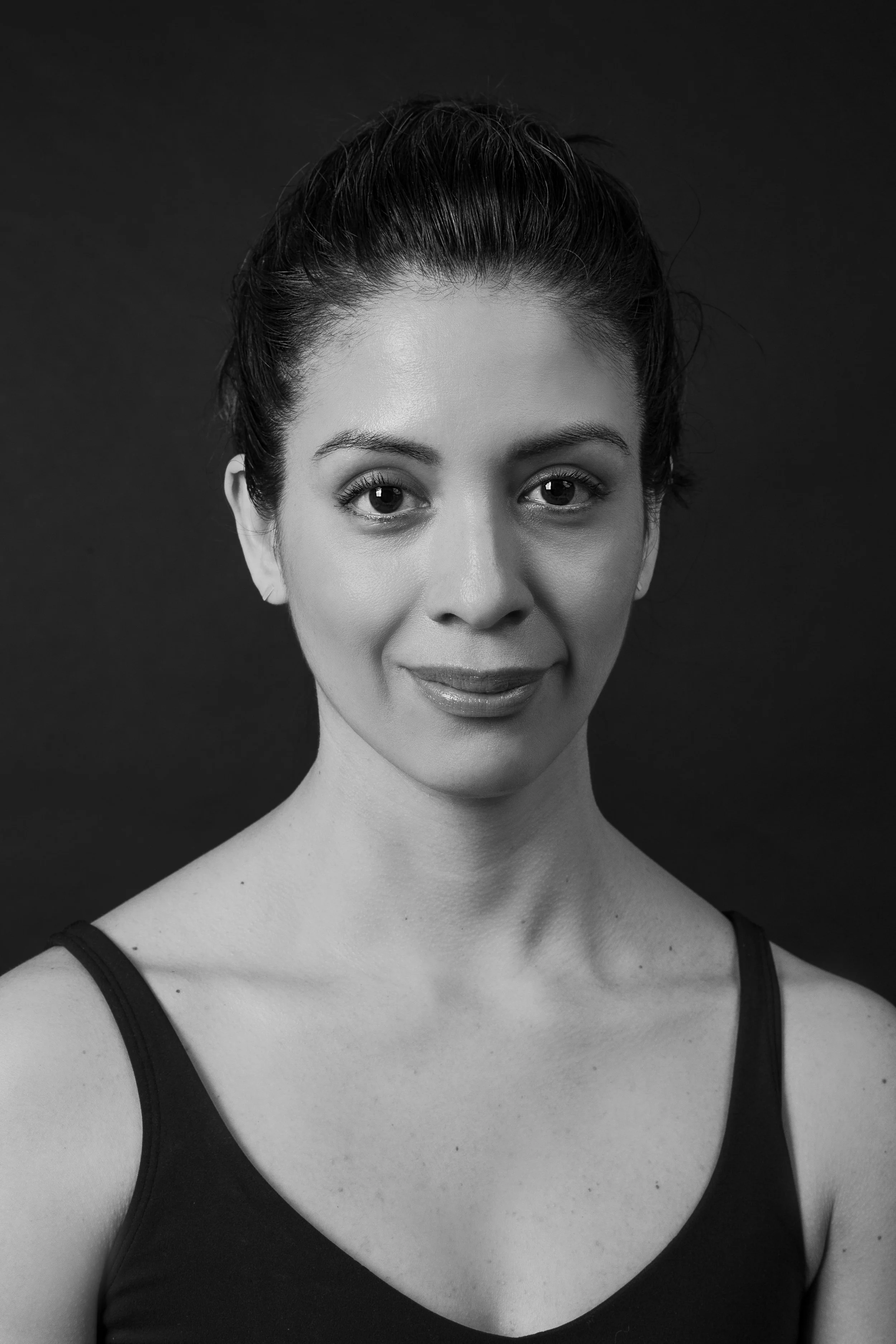
Hi, I'm Giuliana. I was born in Lima, Peru, and before becoming a physiotherapist I worked as a journalist. I've lived in Peru, Portugal, the United States and now London, where I have spent the last several years building a career around movement and rehabilitation.
My journey into physiotherapy began long before university.
I started practising Ashtanga Yoga in 2010 whilst living in Lisbon. As a 25-year-old with a naturally flexible body, I was thrilled to discover a dynamic practice where I could perform many challenging postures without much difficulty.
Over time, however, things started to change. Injuries appeared, pain became more persistent, and I gradually developed a sense of fear and avoidance around movement. Living with pain is no fun. I stopped many of the physical activities I enjoyed, including my yoga practice, and it was then that I decided to study physiotherapy. I wanted to understand what was happening in my own body and learn how I could help others experiencing similar challenges.
It was during a lecture on persistent pain that everything started to make sense.
I learned that pain is not always an accurate measure of tissue damage, but rather an output of the nervous system influenced by a combination of sensory, emotional and cognitive factors. Pain is a protector. It is the brain's way of alerting us to potential danger, even when no actual harm is occurring.
That idea changed the way I thought about pain, movement and recovery.
Rather than seeing the body as fragile, I became interested in understanding how people rebuild confidence in movement, reconnect with activities they enjoy and learn to trust their bodies again.
Today, my work combines physiotherapy, Clinical Pilates and yoga, with a particular interest in persistent pain, hypermobility, and pre- and post-natal rehabilitation.
As my clinical work evolved, these interests led me to further training in Clinical Pilates through the Polestar Comprehensive Pilates programme, as well as Women's Health training through the Mummy MOT.
Becoming a mother has also shaped the way I think about recovery. It has taught me that progress is not always about doing more. Sometimes it is about finding realistic, sustainable and meaningful ways to move, exercise and care for ourselves in the context of everyday life.
Looking back, I sometimes think that pain was the thing that led me to my profession. What began as a search for answers about my own body became a lifelong fascination with movement, recovery and the stories people carry with them.