Clinical Pilates
Movement rehabilitation through Pilates
I believe movement has the power to restore confidence. Whether you're recovering from an injury, living with persistent pain, returning to exercise after having a baby, or simply wanting to move more efficiently, Clinical Pilates offers a personalised approach to help you reach your goals.
As a Chartered Physiotherapist trained in the internationally recognised Polestar Pilates® method, I combine evidence-based rehabilitation with movement that's tailored specifically to you.
What makes Clinical Pilates... clinical?
The difference lies in the assessment.
Before we begin, we'll have a conversation about your symptoms, your medical history, your lifestyle, and your goals. I'll then carry out a detailed movement assessment, looking at your posture, breathing, spinal mobility, balance, strength, flexibility, and movement patterns.
I'll use this information to create a personalised programme that reflects how your body moves today and where you'd like it to go.
Rather than following a standard sequence of exercises, every movement has a purpose. Your programme evolves as you become stronger, move more confidently, and achieve your goals.
Why Polestar Pilates®?
My Clinical Pilates training follows the internationally recognised Polestar Pilates® method, a rehabilitation approach that combines movement science, physiotherapy, and Pilates.
One of the principles that attracted me to Polestar is its focus on the quality of movement rather than simply completing exercises.
Ultimately, my goal is for you to move well without having to think about it. Through repetition, education, and progressive practice, efficient movement patterns gradually become more natural, allowing you to feel stronger, move more freely, and perform everyday activities with greater ease.
Why use specialised Pilates equipment?
Many people associate Pilates with the Reformer, but it is only one piece of equipment.
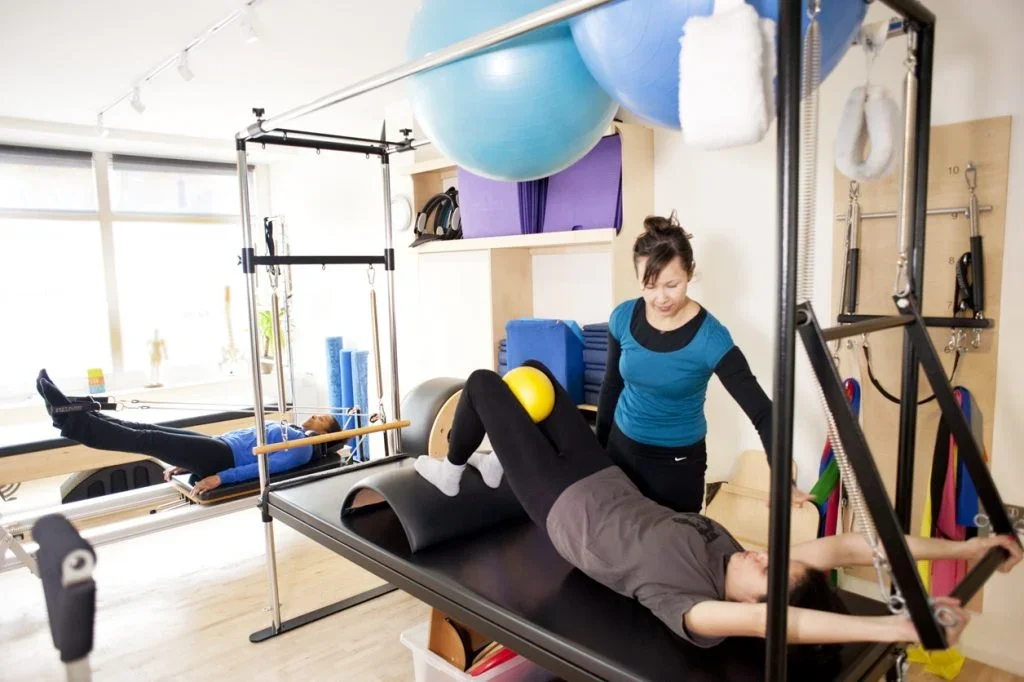
Depending on your assessment and goals, we may also use the Cadillac (Trapeze Table), Chair, Ladder Barrel, Spine Corrector, or mat work.
Each piece of equipment offers different ways to support, challenge, or progress movement, allowing your programme to evolve as you become stronger and more confident.
One of the unique benefits of specialised Pilates equipment is the use of spring resistance. Springs can either assist or challenge movement, allowing exercises to be carefully adapted to your current ability. This creates an ideal environment to gradually build strength, improve movement quality, and progress safely without unnecessarily overloading sensitive tissues.
The equipment isn't the treatment. Movement is.
Who can benefit from Clinical Pilates?
Clinical Pilates may be suitable if you are:
Recovering from an injury or surgery
Living with persistent pain
Managing back or neck pain
Returning to exercise after having a baby
Looking to improve strength and balance
Recovering from a sports injury
Interested in preventing future injuries
Wanting to move more efficiently in everyday life
Looking for a personalised alternative to traditional Pilates classes
My approach
Every programme is tailored to you.
Some sessions may focus on improving mobility, while others focus on building strength, coordination, balance, or preparing you to return to the activities you enjoy. As your body adapts, your programme evolves with you.
I believe movement should never be one-size-fits-all. My aim is to help you develop movement that feels efficient, adaptable, and sustainable, so you can move with greater ease not only during your Pilates sessions, but in everyday life.
Want to learn more?
Clinical Pilates is about much more than exercises. If you'd like to learn more about movement, rehabilitation, persistent pain, breathing, and how we build strength and confidence through movement, explore my Journal for evidence-based articles designed to help you better understand your body.
Where would you like to see me?
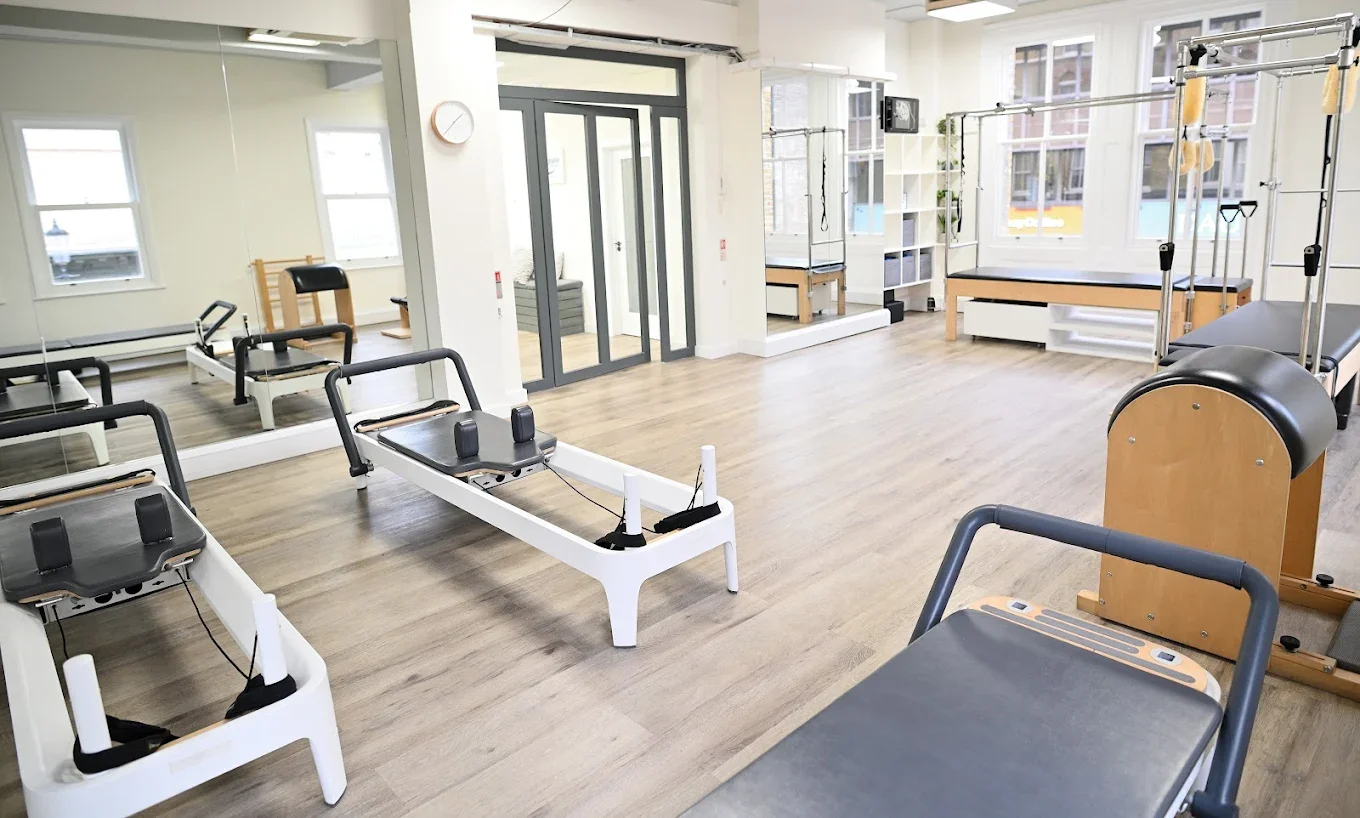
West London
Complete Pilates - Chelsea